The 1940s were marked by resilience and renewal as communities across the nation adjusted to life after World War II. Returning servicemen came home with new skills and ambitions, and many sought education as a pathway to opportunity. In response, communities worked quickly to create affordable, accessible options that would help veterans and local residents build their futures.
In our region, this movement took shape by the founding of Belleville Junior College (BJC) in 1946, an institution that would one day grow into Southwestern Illinois College.
Meeting Postwar Educational Needs
As the war ended, the demand for higher education grew rapidly. Veterans and civilians alike needed local options that were both practical and affordable. BJC was established to meet that demand, with a clear mission to support workforce development and strengthen the region through education.
A Small Beginning with a Big Purpose
The college opened with a total enrollment of 169 students, 60 percent of them being veterans. In BJC’s first year the college offered 27 courses. Though the offerings were modest by today’s standards, they represented an important step toward expanding educational access in Southwestern Illinois.
Classes in Army Barracks: A Resourceful Start
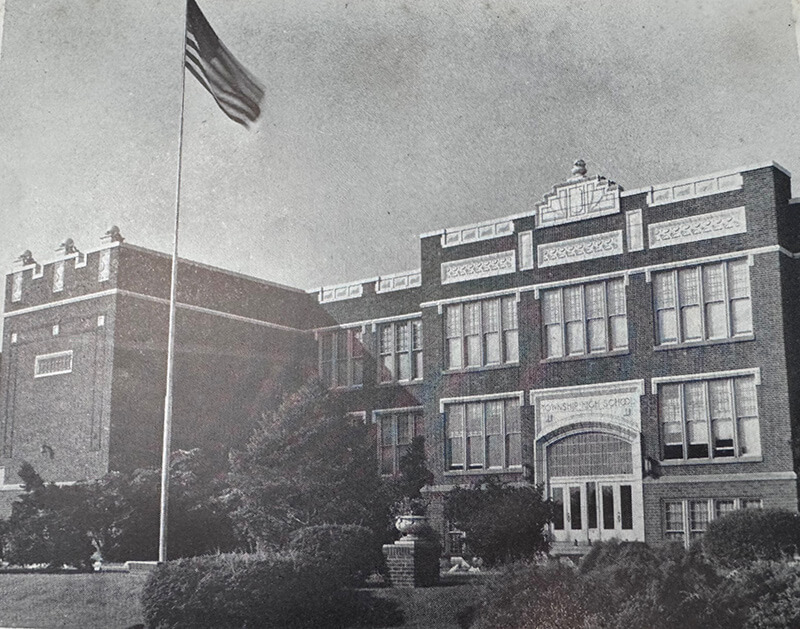
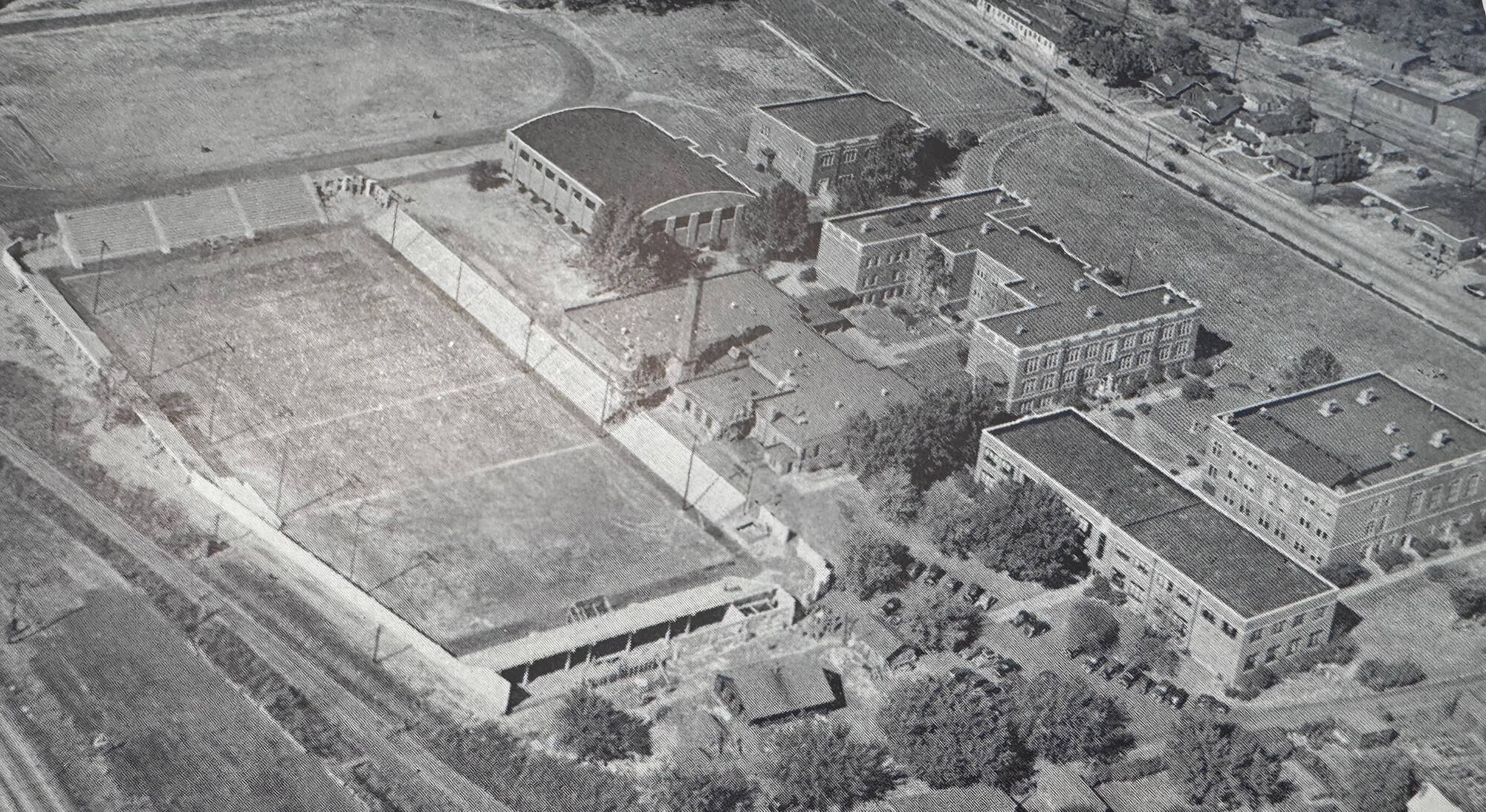
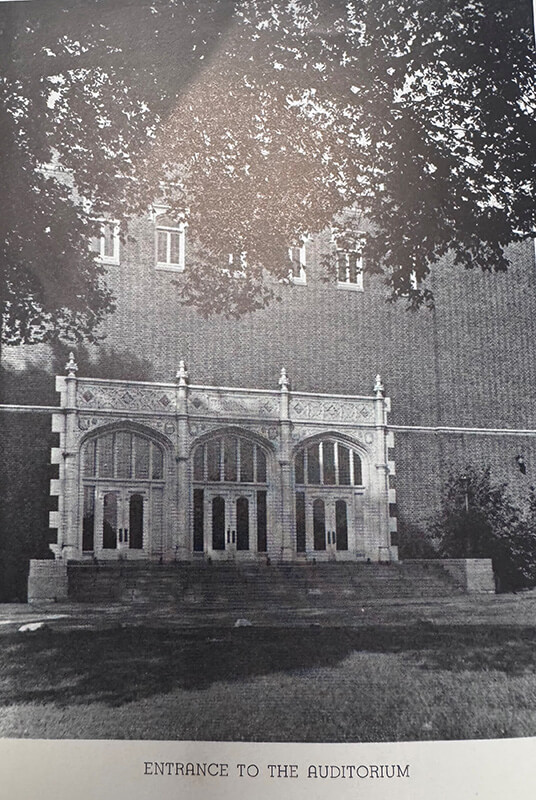
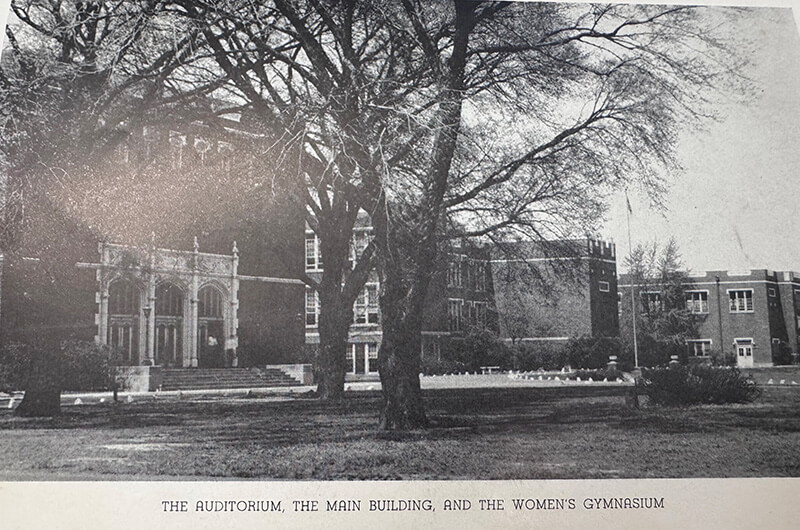
True to the resourceful spirit of the postwar era, classes were held in temporary Army barracks behind Belleville Township High School. Though simple, these spaces reflected the urgency and determination of a community focused on growth rather than limitations. Education moved forward without waiting for perfect conditions.
A Foundation That Shaped the Future
The founding of Belleville Junior College laid the groundwork for what would become Southwestern Illinois College. Its early values – access, affordability, and support for those building new lives – remain central to SWIC’s mission today.
From converted Army barracks to modern campuses serving thousands of students, the college’s story is one of progress rooted in community strength. The foundation was laid in the 1940s and it continues to support generations of learners today.