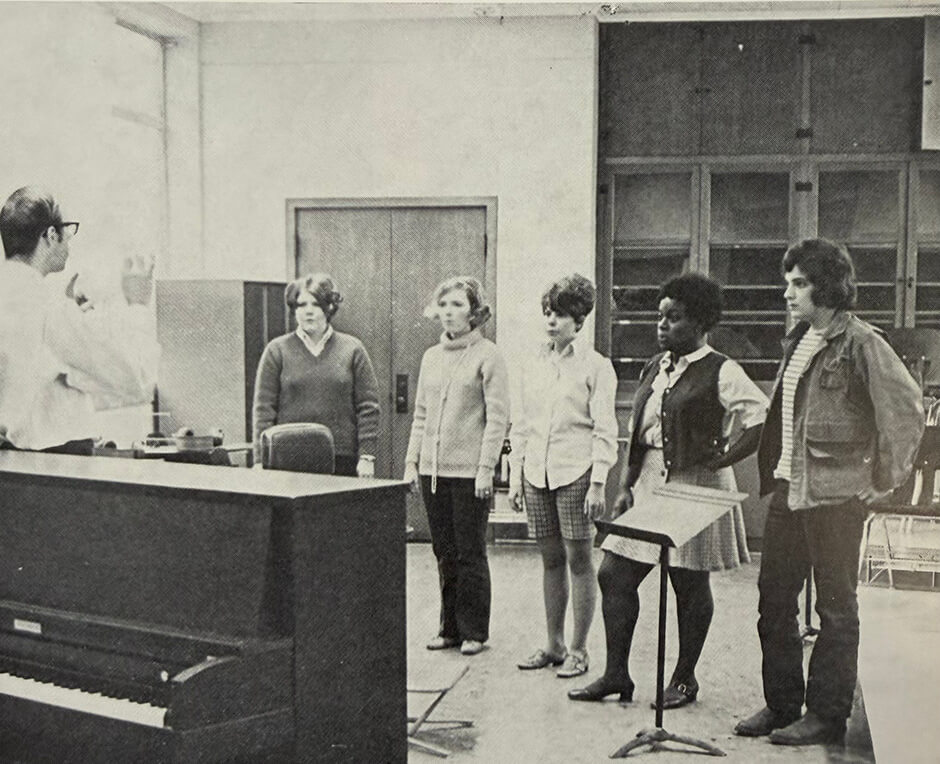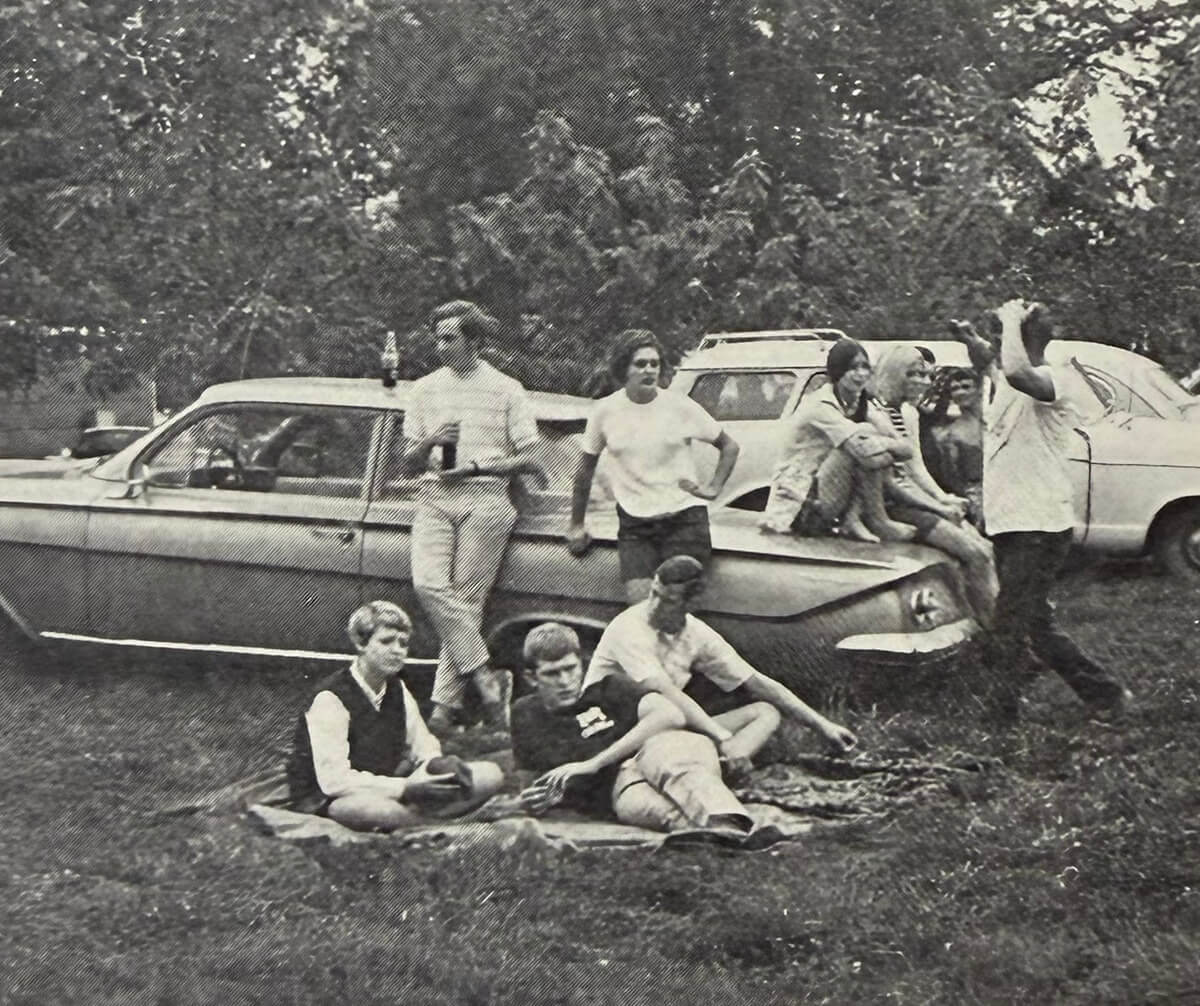
At the start of the decade, the college was entering a new phase of development. The completion of the Belleville Campus in 1971 provided a permanent home and a foundation for future growth. Classrooms, student spaces, and specialized facilities created an environment that supported both academic transfer programs and career-focused education.
Meeting Community Needs
As enrollment increased, the college responded by broadening its programs and services. The 1970s saw a growing emphasis on workforce training, public service careers, and continuing education, areas that were designed to meet the needs of local industries and residents.
One of the most notable developments came in 1973 with the launch of Programs and Services for Older Persons (PSOP), an initiative focused on supporting lifelong learning and independent living for seniors. This program highlighted the college’s expanding mission beyond traditional students, reinforcing its role as a true community resource.
A Changing Student Experience
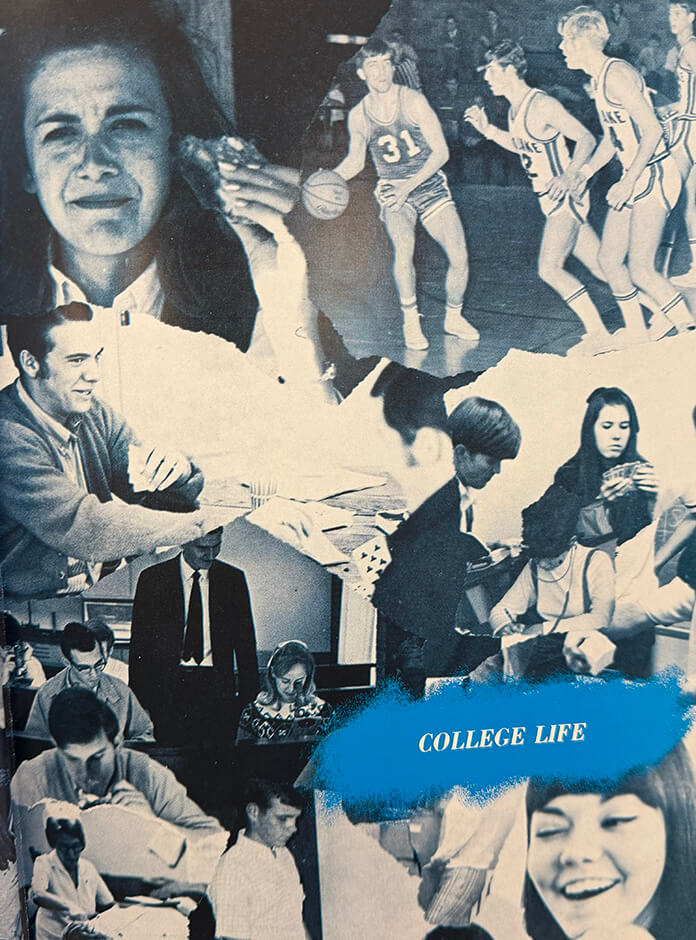
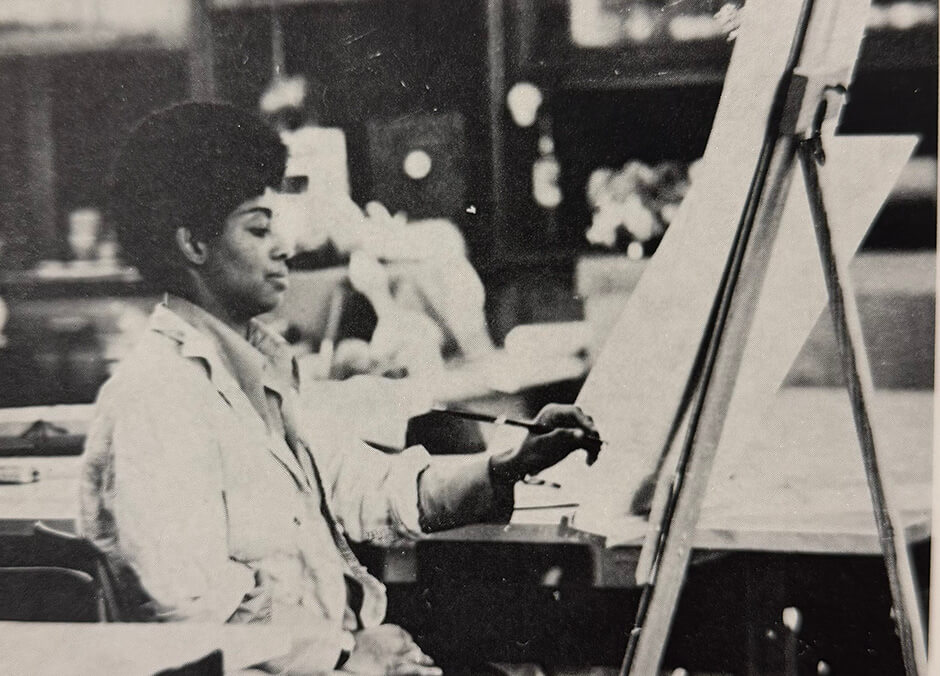
The student body during the 1970s reflected shifting social and economic trends. More nontraditional students, such as working adults, parents, and career changers, started to enroll. They were attracted to the college’s accessibility and practical programming. At the same time, recent high school graduates continued to pursue associate degrees and transfer opportunities.
This mix of students helped shape a dynamic campus environment. Academic programs, student activities, and support services evolved to meet a wider range of needs, creating a more inclusive and flexible educational experience.
Laying the Foundation for the Future
By the end of the decade, Southwestern Illinois College had firmly established itself as a cornerstone of regional education. The investments made in facilities, programming, and community outreach during the 1970s set the stage for continued expansion in the decades that followed.
The transformation of this era demonstrated the college’s ability to adapt and grow, while staying true to its mission of accessibility and community education. The 1970s were not just a period of growth, but a defining chapter that helped shape the modern identity of the institution.