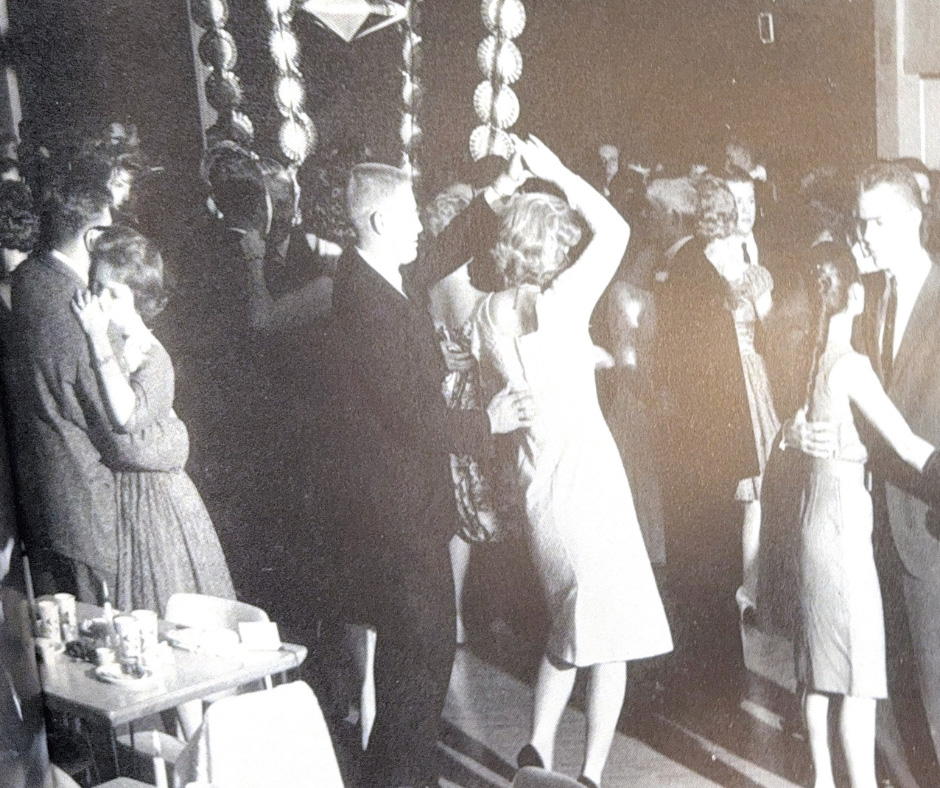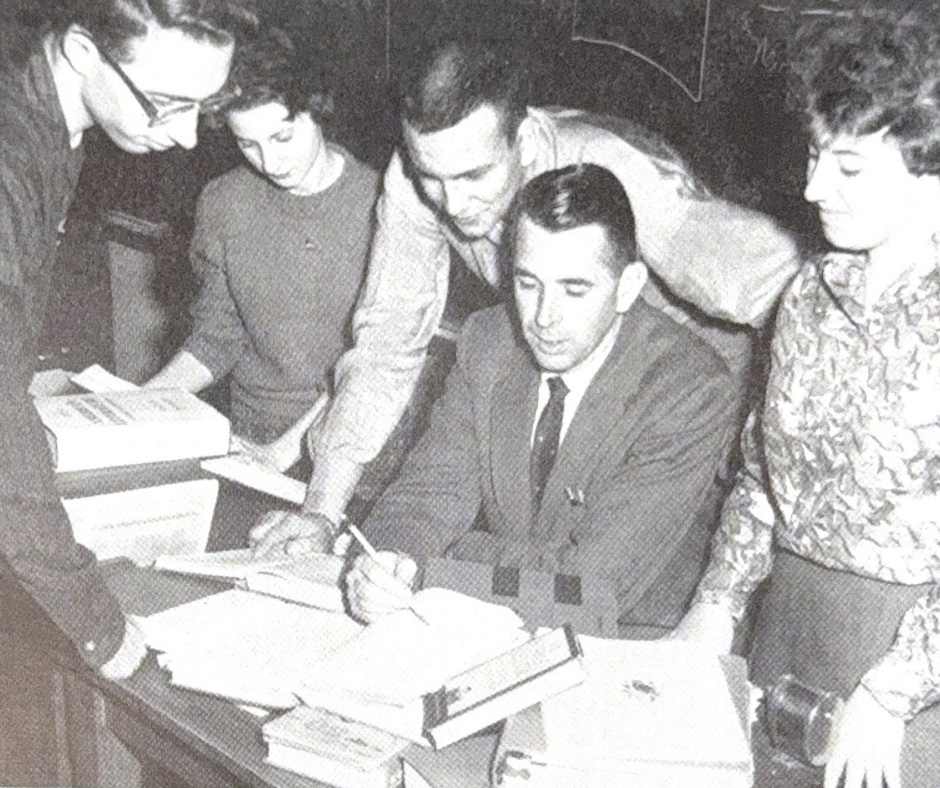
The 1960s were a decade of change across the United States. Communities were rethinking access to education, and higher learning was becoming more local and affordable. For what is now Southwestern Illinois College, this decade marked a quiet, but critical transformation.
While national headlines focused on cultural shifts and social movements, the story locally was about structure, governance, and vision. The decisions made during the 1960s reshaped the college’s future and expanded opportunities for students throughout Southwestern Illinois.
A Time of Transition in Higher Education
At the beginning of the 1960s, the institution operated as Belleville Junior College, functioning as an extension of the local high school system. This model was common across the country at the time and served an important purpose: making postsecondary education accessible to students close to home.
However, the decade brought a growing recognition that junior colleges could, and should, serve broader communities. Across Illinois, leaders and educators were exploring new ways to support workforce development, university transfer pathways, and lifelong learning. Belleville Junior College was part of this larger conversation, preparing for change alongside institutions statewide.
The Illinois Junior College Act
One of the most significant milestones of the decade came in 1965 with the passage of the Illinois Junior College Act. Later named the Public Community College Act, this legislation transformed how community colleges were organized and governed across the state. For the first time, junior colleges could form independent districts with locally elected boards, dedicated funding, and expanded authority. The act also defined junior colleges as institutions that offered transfer courses, adult education and technical training that led straight to employment.
This shift represented more than a policy change. It reflected a growing belief that community colleges should be shaped by the communities they serve. The act opened the door for local voters to play a direct role in the future of higher education in their region.


Community Support and District 522
That opportunity became reality in 1966 when area voters approved the creation of Belleville Junior College District 522. With this vote, the college officially transitioned from a high school–based program to a locally governed community college district.
This moment was a defining one. Local governance allowed the college to respond more effectively to regional needs, plan for long-term growth, and expand educational offerings. Community support was clear, and the college’s mission grew alongside it, focusing on accessibility, opportunity, and service.
A New Name for a Growing Mission
As the institution’s role expanded, so did its identity. In 1967, the college adopted the name Belleville Area College. This change symbolized a turning point. The college was no longer defined by a single location or school system, but by its regional impact. The groundwork was being laid for future campuses, programs, and partnerships that would continue to grow in the decades ahead.
Laying the Groundwork for the Future
Although the physical campuses associated with Southwestern Illinois College today were not built until the early 1970s, the foundation for that growth was firmly established during the 1960s. Governance structures, public trust, and a clear mission all emerged during this decade.
These behind-the-scenes developments may not have drawn widespread attention at the time, but they proved essential. They allowed the college to expand responsibly and remain closely connected to the communities it serves.
Looking Back and Moving Forward
The 1960s stand as a formative chapter in the history of Southwestern Illinois College. It was a decade defined not by buildings or enrollment milestones, but by vision, community involvement, and long-term planning. Today, as SWIC continues to serve students across the region, the legacy of the 1960s is still present. The commitment to accessibility, local leadership, and community-focused education began during this pivotal decade and continues to guide the college forward.
Today, as SWIC continues to serve students across the region, the legacy of the 1960s is still present. The commitment to accessibility, local leadership, and community-focused education began during this pivotal decade and continues to guide the college forward.